The short answer
When a furnace is not working, check eight things first: the thermostat mode, setpoint and batteries; the furnace service switch; the circuit breaker; the air filter; the blower door panel; the gas supply; the blinking status light on the control board; and, on high-efficiency furnaces, the PVC vent pipes and condensate drain.
These checks take about 15 minutes and need no tools. If you smell gas or a CO alarm sounds, skip all of them, leave the house and call 911 or your gas utility from outside.
Start with safety: when to skip this checklist
Everything below is a look-and-flip check. None of it involves opening the burner compartment, touching gas piping or working on wiring. If a check calls for more than that, stop and let a technician take it from there.
Checks 1 to 3: thermostat, furnace switch and breaker
1. The thermostat
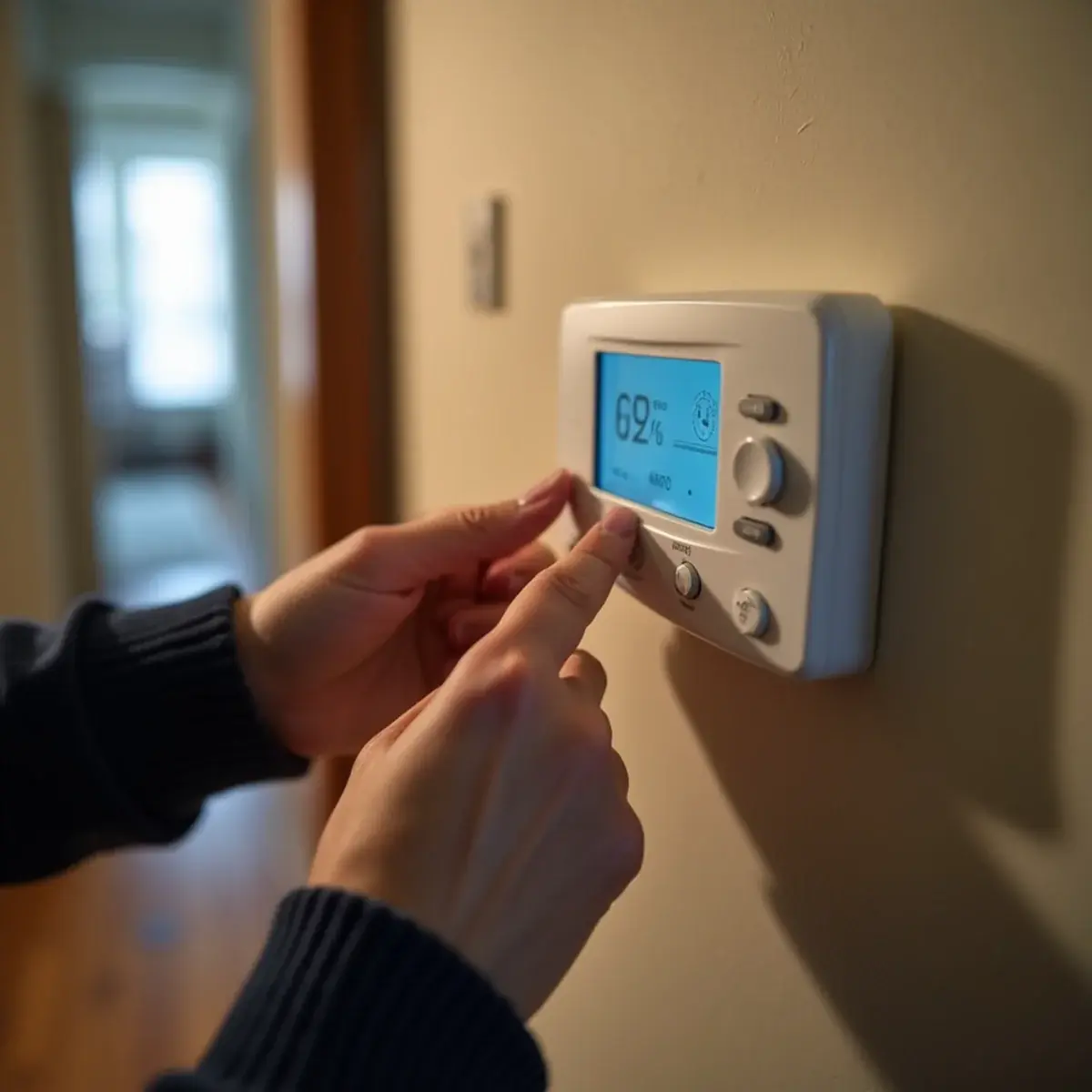
Confirm the thermostat is set to Heat, not Cool or Off, and that the setpoint is at least three to five degrees above the room temperature. A blank screen usually means dead batteries; many thermostats run on two AA or AAA cells even when they are wired. Programmable and Wi-Fi models can also be holding a schedule or vacation setting that overrides what you set by hand.
Look at the fan setting too. If it reads On instead of Auto, the blower runs nonstop and pushes room-temperature air between heating cycles, which feels like a broken furnace.
2. The furnace service switch
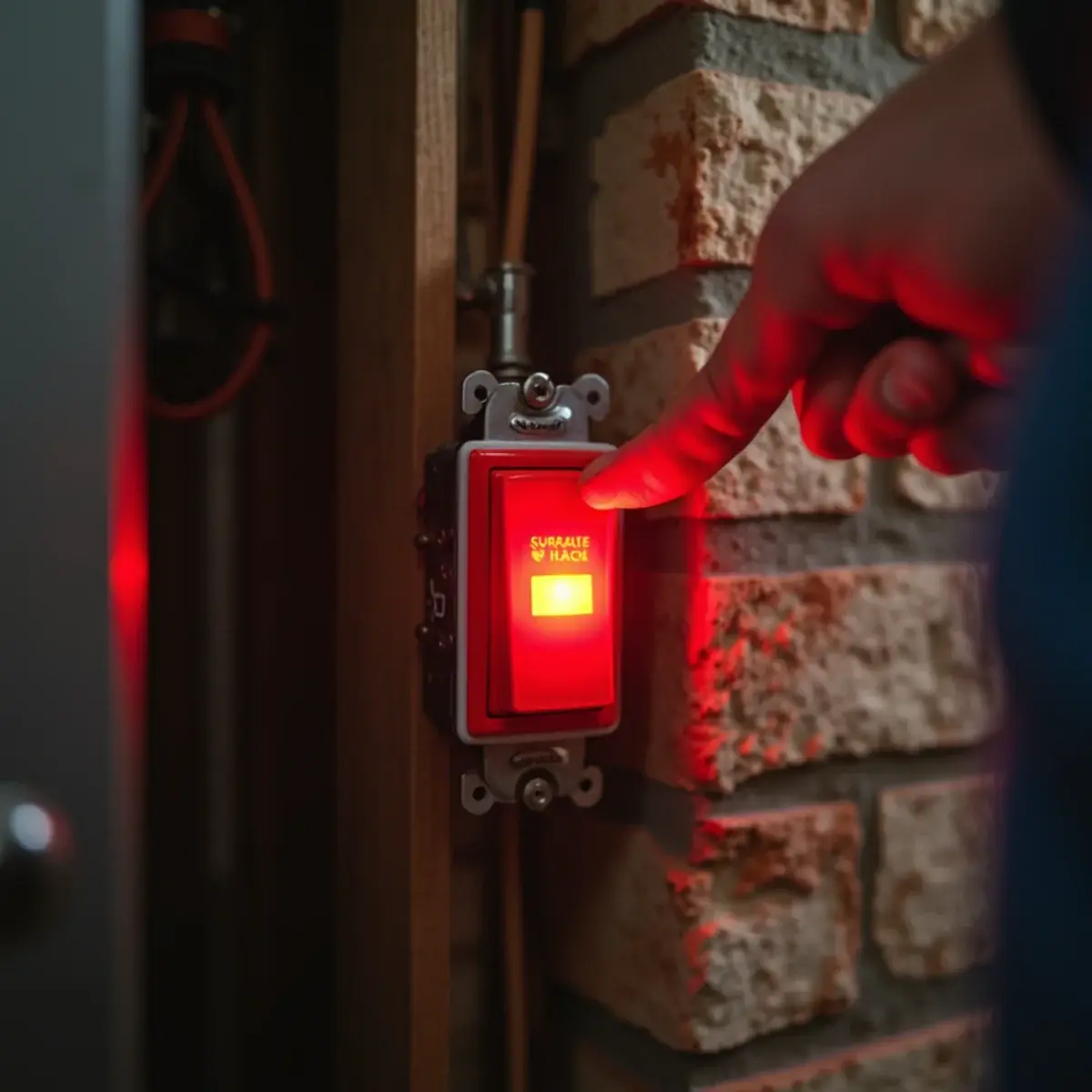
Every gas furnace has a power switch that looks like an ordinary light switch, usually on a joist or wall near the unit or at the top of the basement stairs. In Pittsburgh basements it often sits right beside the basement light switch, and it gets flipped off by accident more often than you would think. Make sure it is on.
3. The circuit breaker
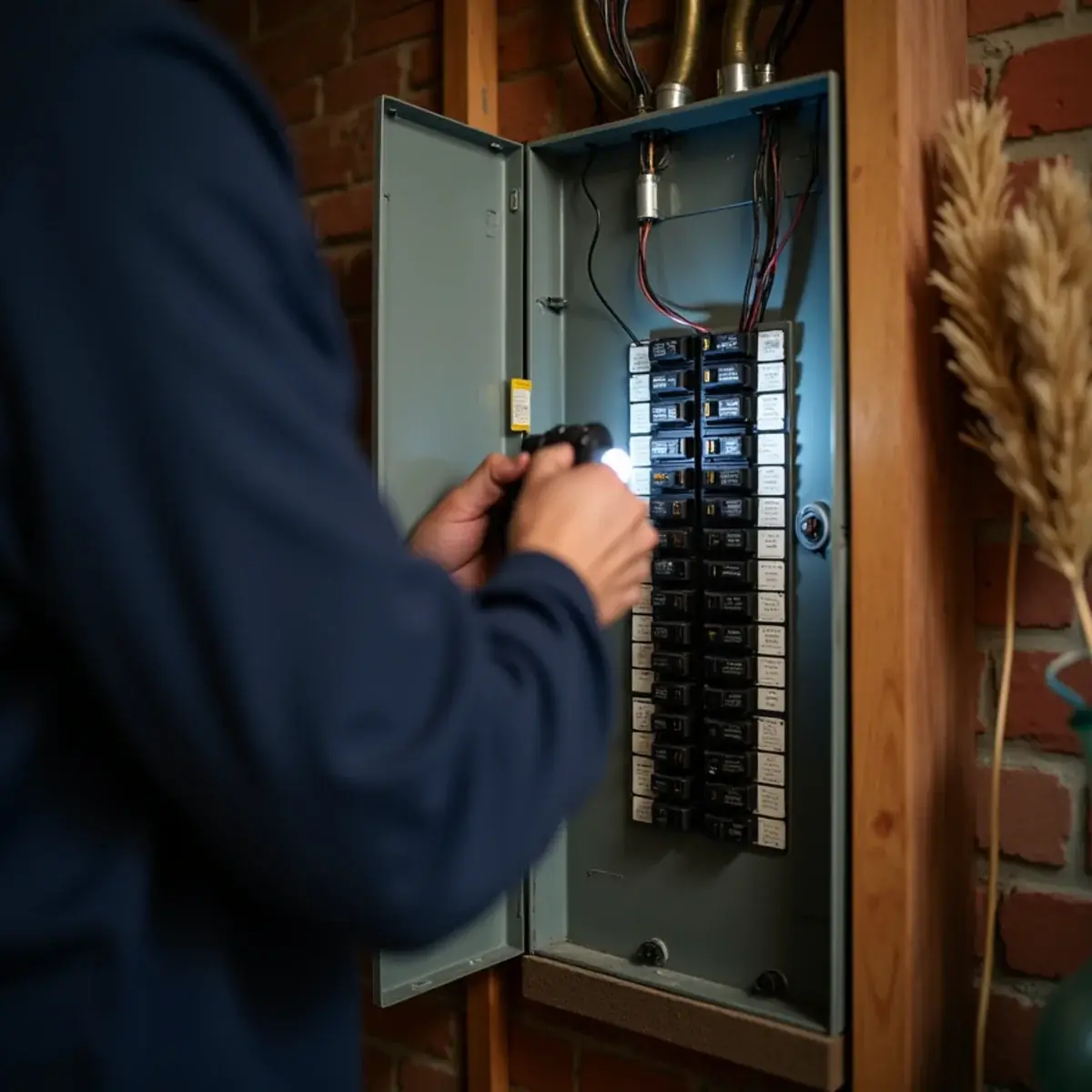
Find the furnace breaker in the panel. If it has tripped, reset it once. If it trips again, leave it off: a breaker that will not hold points to a shorted motor, a failing inducer or a wiring fault that needs a technician.
Checks 4 and 5: the air filter and the blower door
4. The air filter
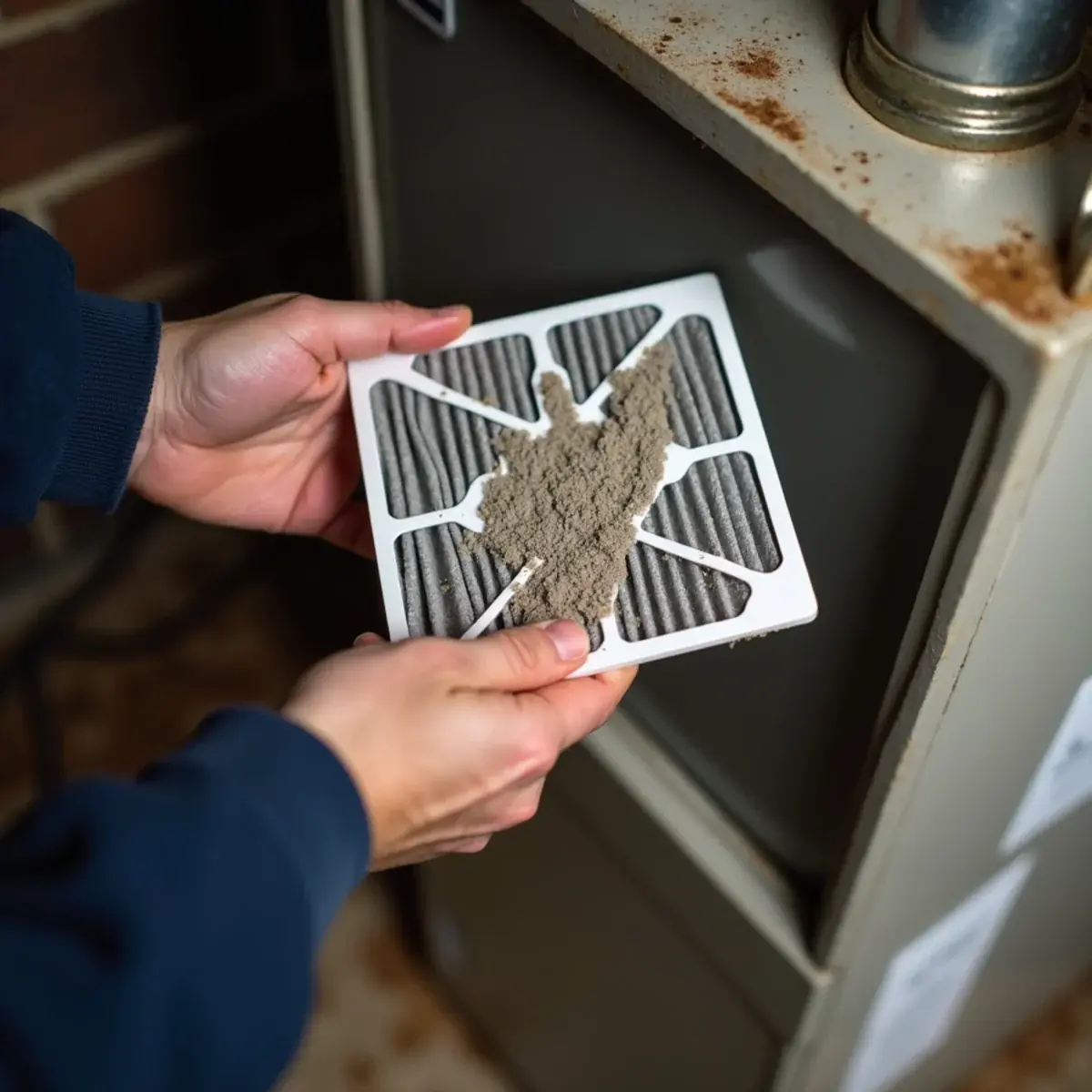
A clogged filter starves the furnace of air. The heat exchanger overheats, the high-limit switch shuts the burners off, and the furnace may cycle on and off or lock out completely. Slide the filter out and hold it up to a light. If you cannot see through it, replace it with the same size, airflow arrow pointing toward the furnace.
A one-inch filter in a busy heating season often needs changing every one to three months. Older houses with pets, plaster dust or renovation work load filters faster.
5. The blower door panel
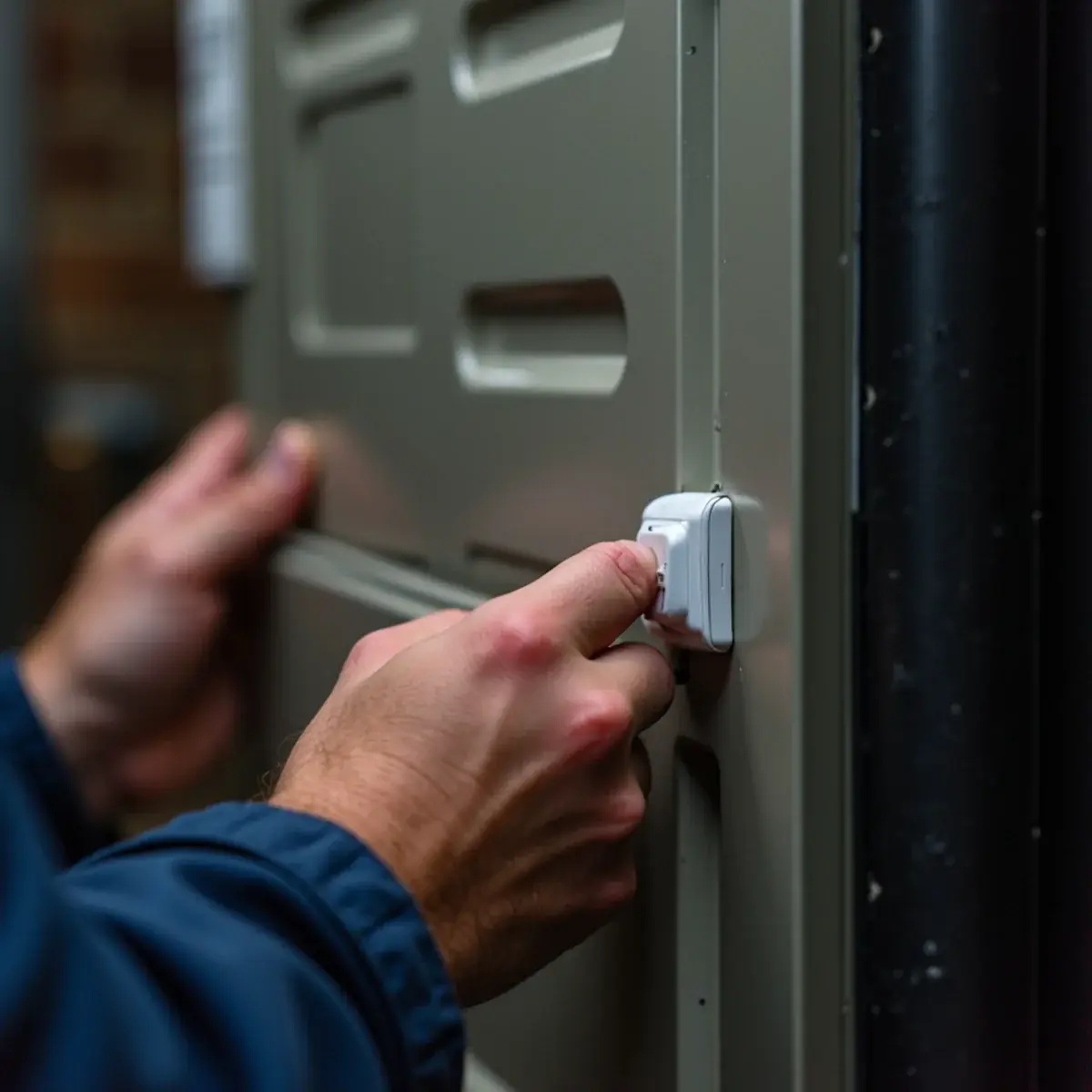
The lower front panel presses a small safety switch when it is seated. If the panel was bumped or put back crooked after a filter change, the furnace will not run at all. Press it firmly into place and make sure every tab and screw lines up.
While you're at the filter, walk the house and open any closed supply registers, and pull furniture or rugs off the return grilles. A furnace that can't breathe overheats and shuts its burners off, which looks exactly like a broken furnace.
Checks 6 and 7: the gas supply and the status light
6. The gas supply
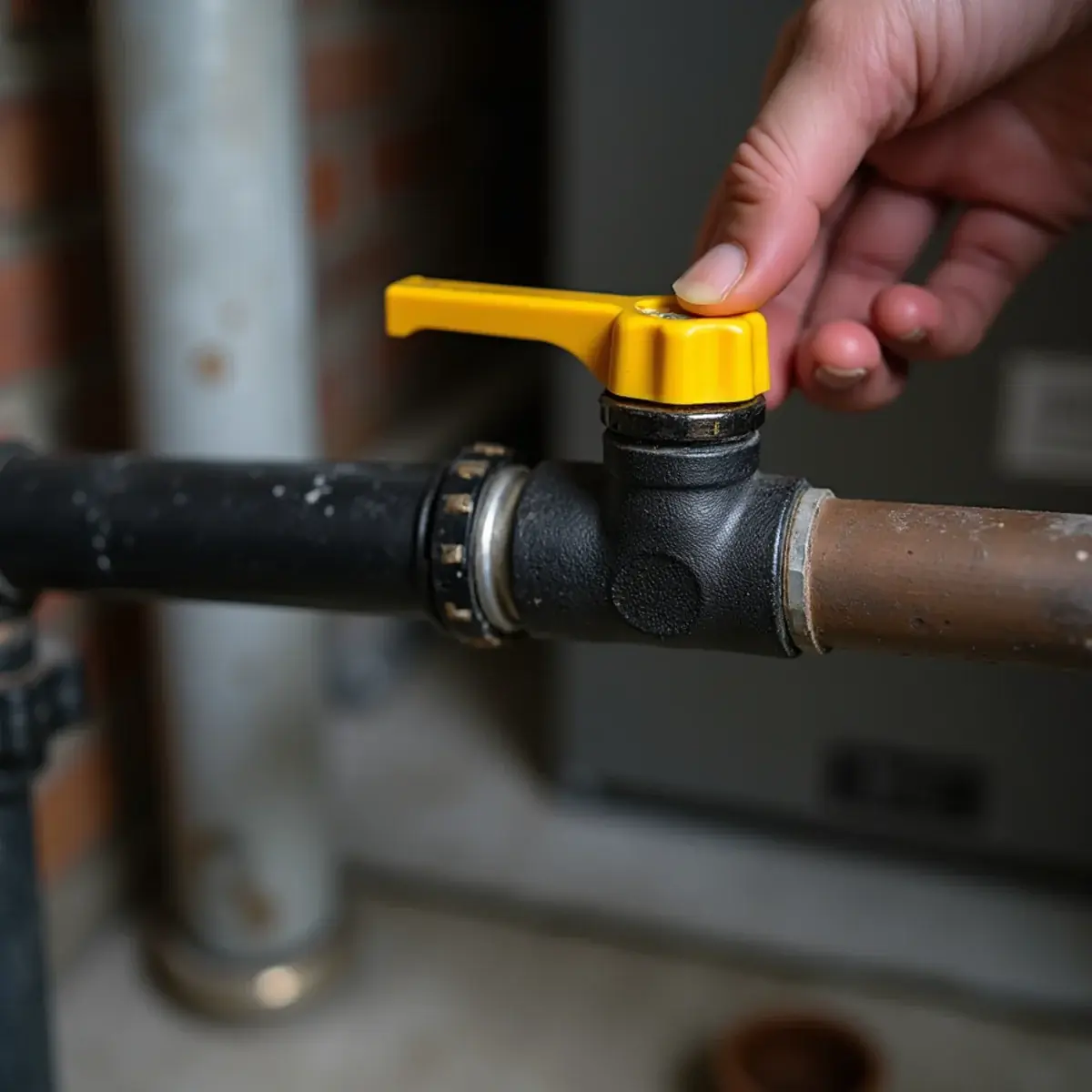
Find the shutoff valve on the gas pipe that feeds the furnace. When the handle runs parallel to the pipe, the valve is open. Then check whether your other gas appliances work: if the stove burners or water heater are also out, the problem may be the gas service itself, and that is a call to your gas utility. Do not try to relight anything yourself.
7. The blinking status light
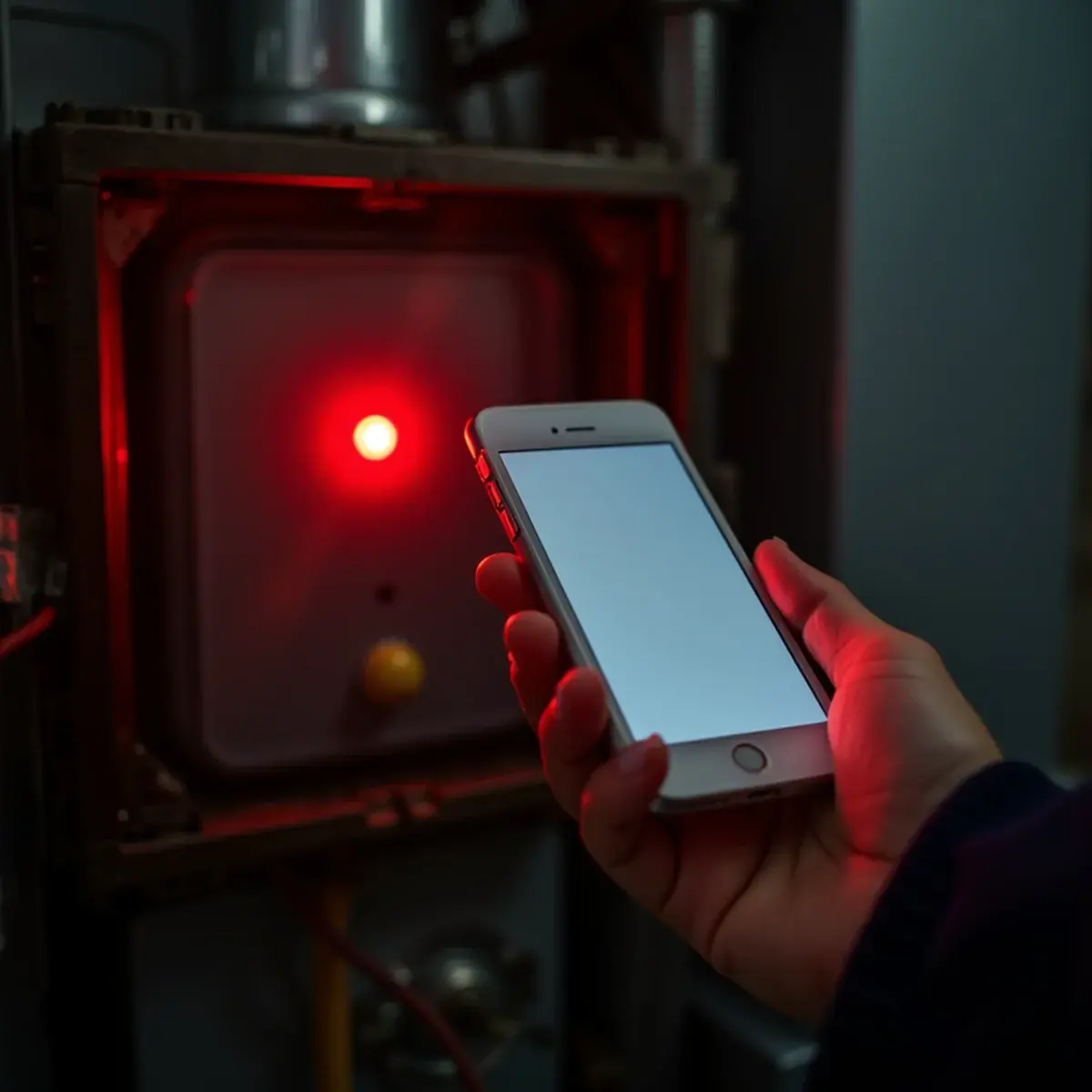
Most furnaces made in the last 25 years have a control board with an LED you can see through a small window in the lower door. Count the flashes and compare them with the code chart printed on the inside of the door or in the owner's manual. Write the code down. It tells a technician whether the furnace locked out on ignition, a pressure switch or a limit switch before anyone opens a panel.
You can turn the service switch off for 30 seconds and back on to clear a lockout once. If the same code comes back, do not keep resetting it.
Some older Pittsburgh furnaces still have a standing pilot instead of an ignitor. If yours does and the pilot is out, relight it only by following the instructions printed on the furnace, and never if you smell gas. If it lights and won't stay lit, stop: the thermocouple or pilot assembly needs a technician.
Check 8: PVC vents and the condensate drain on high-efficiency furnaces
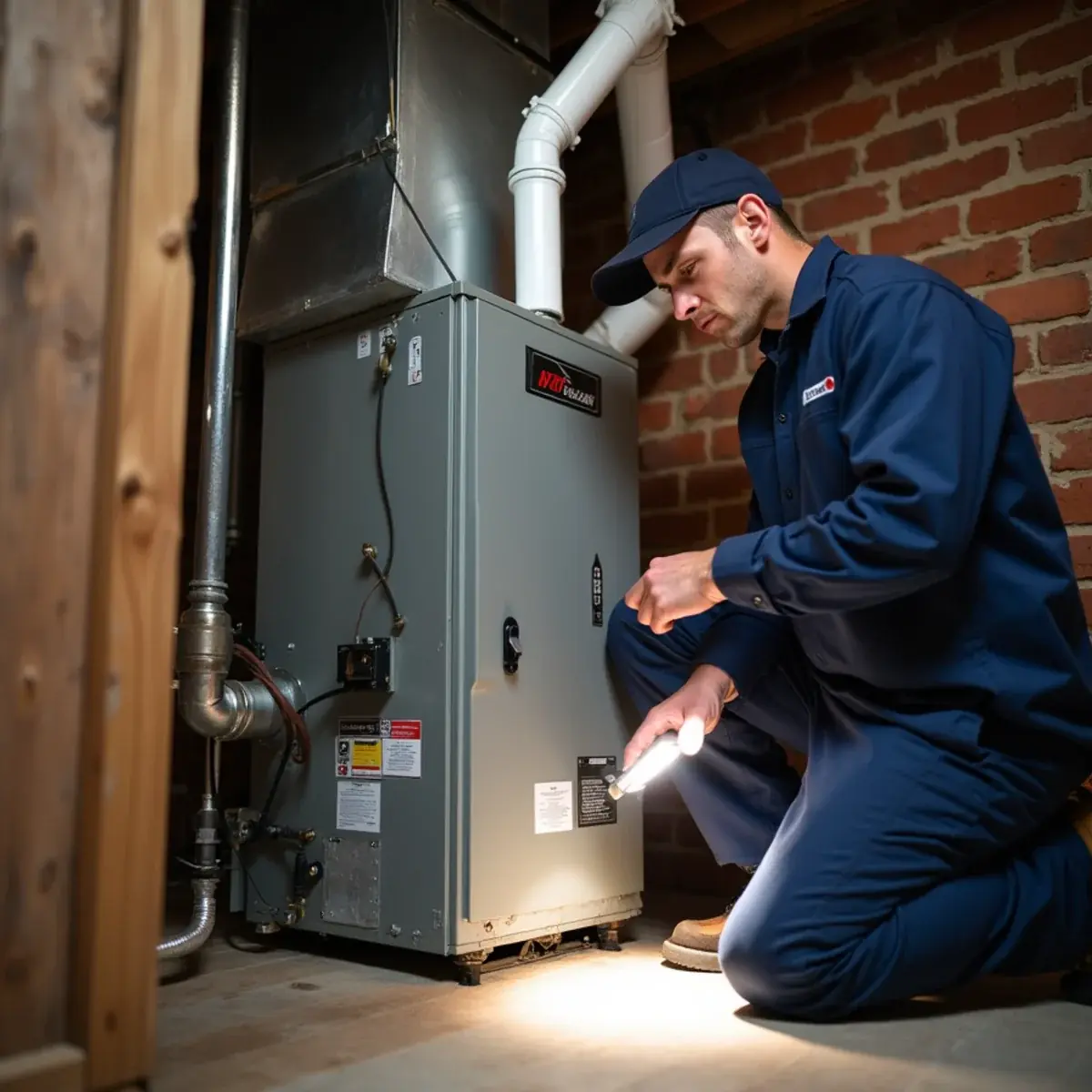
If your furnace vents through two white PVC pipes out the side of the house or the roof, it is a high-efficiency condensing unit. During a Pittsburgh cold snap these pipes can ice over, and drifting snow or leaves can block the intake. A pressure switch senses the blockage and shuts the furnace down for safety.
- Outside: clear snow and ice from around both pipe ends without forcing anything into them.
- Look for nests, leaves or frost buildup inside the openings.
- Inside: check the condensate pump, if you have one, for a full reservoir or a pump that hums but does not empty.
- Look for water pooling under the furnace or a drain line that has frozen where it runs along a cold outside wall.
Older 80% furnaces vent into a metal flue pipe that runs into a brick chimney instead. Draft and liner problems there are not a homeowner check; a technician tests them with a draft gauge and a combustion analyzer.
From the technician's side: listen for where the start-up stops
When a technician walks up to a dead furnace, the first thing they do is call for heat and watch the order of events. A gas furnace starts the same way every time, and the step where it stops tells you which part of the system to look at.
- The thermostat calls and the control board clicks a relay.
- The inducer motor starts and hums for 15 to 60 seconds.
- The pressure switch proves the vent is clear.
- The ignitor glows orange, or a spark ignitor ticks.
- The gas valve opens and the burners light.
- The flame sensor proves the flame, and the blower starts a minute or so later.
You can do a safe version of this from outside the cabinet. Raise the thermostat a few degrees and listen. Total silence points upstream: power, the door switch, the thermostat or the control board. An inducer that runs with nothing after it points downstream: the pressure switch, a blocked PVC vent, the ignitor or the gas supply. Burners that light and go out within seconds point to the flame sensor. Tell the dispatcher which of those you heard; it shortens the diagnosis.
When to stop and call a technician
If the eight checks come up clean, the fault is inside the furnace. These are the patterns we see most often on no heat repair calls in Pittsburgh homes:
| What you notice | Likely area | What the technician tests |
|---|---|---|
| Inducer starts, clicks, no flame | Hot surface ignitor or gas valve | Ignitor resistance, voltage to the gas valve |
| Flame lights, then shuts off in seconds | Dirty or worn flame sensor | Flame signal in microamps, sensor condition |
| Inducer runs, nothing else happens | Pressure switch, vent or drain blockage | Pressure readings, vent and condensate path |
| Burners cycle on and off quickly | High-limit trips from poor airflow | Temperature rise, blower and duct restrictions |
| Blower hums but does not turn | Blower motor or capacitor | Capacitor value, motor amp draw |
In post-war suburbs like Penn Hills, many 1950s and 1960s ranches and split-levels are on their third furnace and still on original ductwork, so airflow-related lockouts are common. A furnace that will not stay lit after a reset, trips a breaker twice or smells like burning or exhaust needs a professional diagnosis.
Keeping the house safe while you wait
With January lows in the low 20s and the occasional arctic outbreak below zero, a Pittsburgh house without heat can put pipes at risk within a day, especially in exterior walls and unheated basements.
- Open cabinet doors under sinks on outside walls and let a faucet drip.
- Close doors to unused rooms to hold heat where people are.
- Never use a gas oven, grill or camp heater to warm the house.
- Use electric space heaters only on a clear floor, plugged directly into the wall, and never unattended.
Get the furnace looked at
If the checklist did not bring the heat back, call (321) 478-0693. Pittsburgh Furnace Repair answers 24 hours a day, 7 days a week, and connects you with a local HVAC technician who gives you a price before any repair begins. Have the error code, the furnace model plate and what you already checked ready. For a dead furnace on a freezing night, see our emergency furnace repair service.
Frequently asked questions
Why is my furnace running but blowing cold air?
Check the thermostat fan setting first; On instead of Auto runs the blower between cycles. If the setting is right, the burners are probably not lighting or are shutting off early. A dirty flame sensor, a failed ignitor, a clogged filter tripping the high-limit switch or a blocked PVC vent on a high-efficiency furnace are the usual causes. The blinking status light helps narrow it down.
Is it safe to keep resetting my furnace?
One reset is reasonable to clear a lockout. Repeated resets are not. Furnaces lock out because a safety control detected a problem such as poor venting, overheating or a failed flame. Forcing it back on again and again can overheat the heat exchanger or let combustion gases spill. If the same code returns after one reset, leave it off and call (321) 478-0693 for a technician.
Where is the reset button on a gas furnace?
Most modern gas furnaces do not have a single reset button. The service switch near the unit acts as the reset: turn it off for 30 seconds and back on. Some blower motors and rollout switches have small reset buttons, but a tripped rollout switch means flames came out of the burner area, which is a safety problem for a technician to diagnose, not something to reset yourself.
Why does my furnace turn on and off every few minutes?
That's short cycling, and in most Pittsburgh houses the first suspect is airflow: a clogged filter, closed registers or a blocked return lets the heat exchanger overheat until the high-limit switch shuts the burners off. If airflow is fine, a dirty flame sensor that drops the flame after a few seconds is next. An oversized furnace can also short-cycle. Check the filter and registers, then call if it keeps happening.
Sources
Get help with this furnace problem
Servingfurnace repair in Penn Hills, PAand nearby towns.