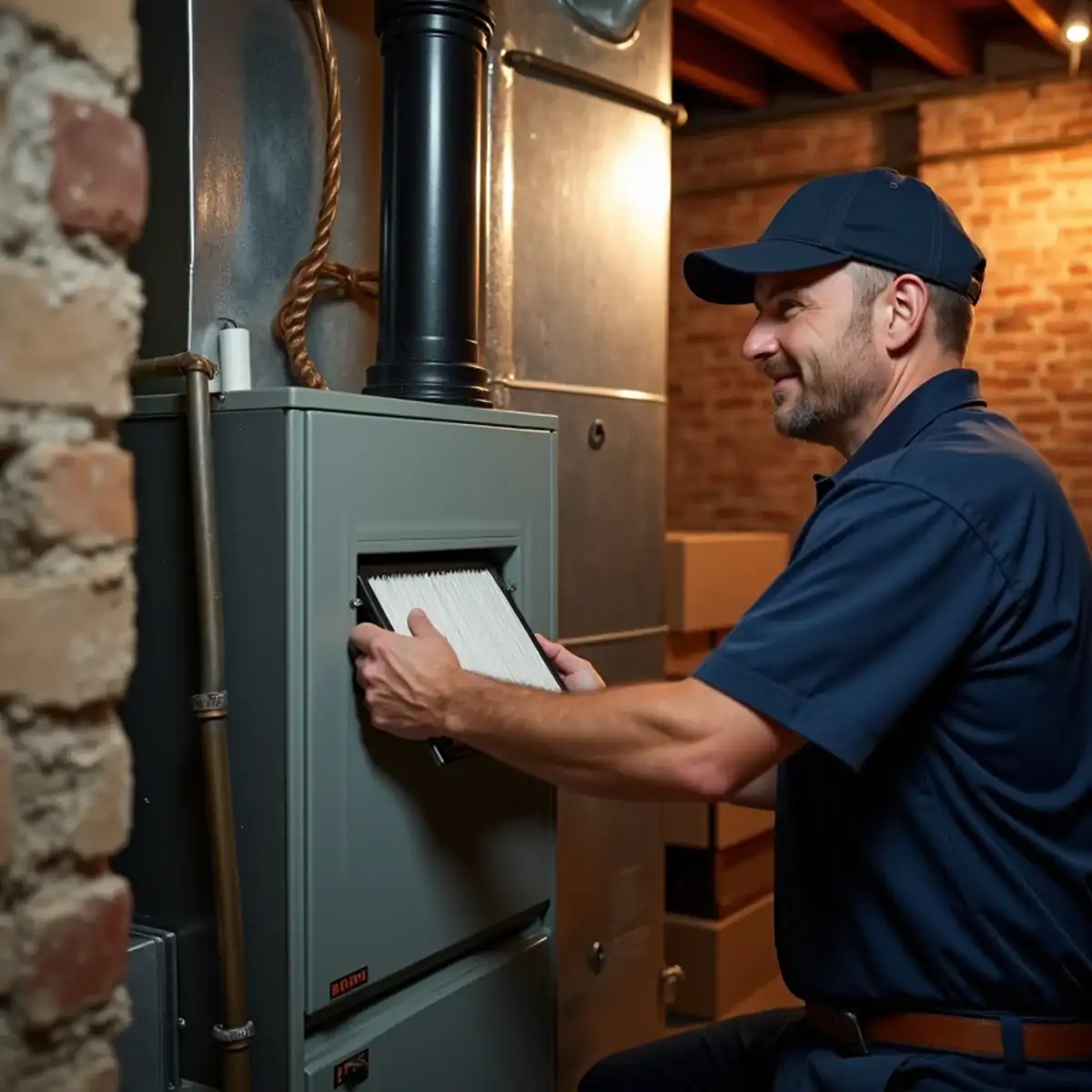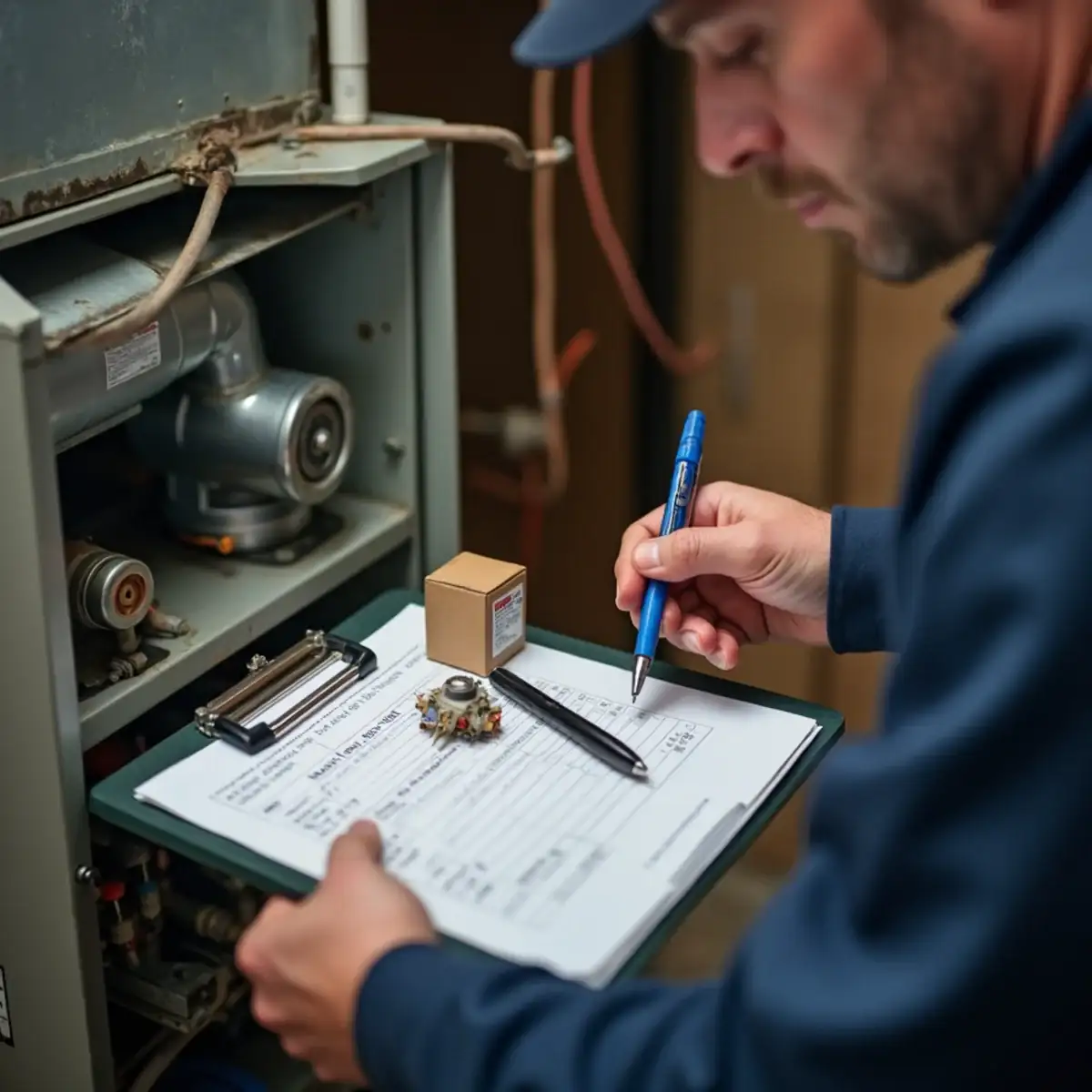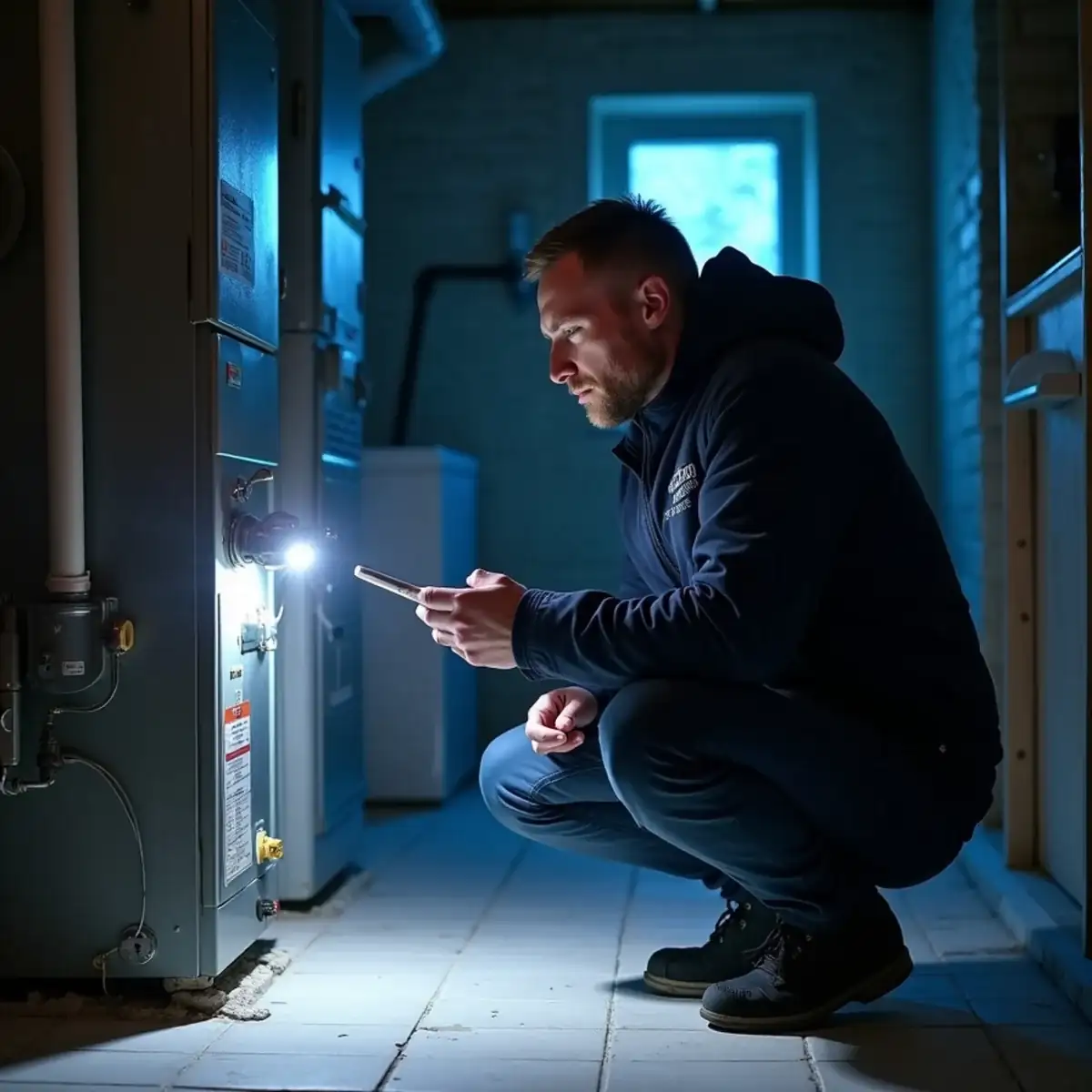
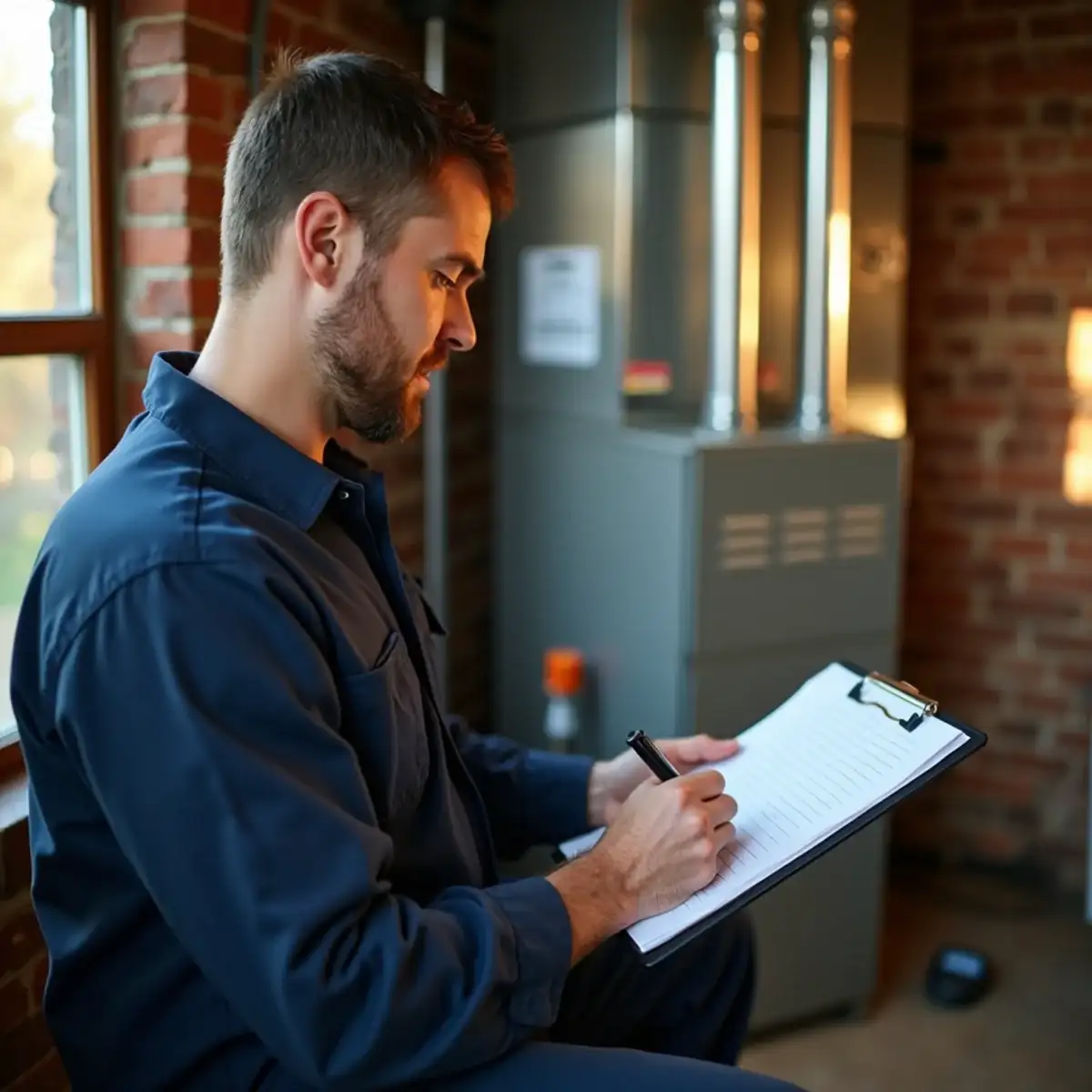
A furnace tune-up is an hour or so of cleaning, measuring and testing that tells you two things before winter: whether the furnace is safe, and whether it is likely to make it to April. In Pittsburgh, where the heating season runs from October into spring and a single January week can bring below-zero nights, that answer is worth having in September.
This is not a filter swap and a quick look. The technician measures carbon monoxide, draft, gas pressure and temperature rise, and checks the parts that most often fail in the first cold snap. Call (321) 478-0693 to book, or read our fall furnace checklist for Pittsburgh homes for what you can do yourself first. Call it furnace maintenance, a furnace service, furnace cleaning or an annual furnace check: in Pittsburgh it should include a real furnace inspection with combustion testing, not just a look.
What a furnace tune-up covers, step by step
Every tune-up follows the same sequence so nothing gets skipped. Some steps apply only to certain furnaces, such as the condensate checks on 90% and higher units or the draft test on chimney-vented ones.
Tune-up steps and why each one matters
- 1. Filter checked and replaced
- Why it matters: A clogged filter overheats the heat exchanger and trips the high limit
- 2. Burners cleaned and inspected
- Why it matters: Dirty or rusted burners make uneven flame and carbon monoxide
- 3. Ignitor and flame sensor (microamps)
- Why it matters: Weak ignitors and dirty sensors cause most cold-morning lockouts
- 4. Heat exchanger inspection
- Why it matters: Cracks and holes can let combustion gases into the airstream
- 5. Combustion analysis (CO and O2)
- Why it matters: Proves the furnace burns cleanly and safely
- 6. Draft check on chimney-vented units
- Why it matters: Confirms exhaust is leaving the house, not spilling back
- 7. Gas pressure
- Why it matters: Wrong pressure means poor combustion or overheating
- 8. Temperature rise
- Why it matters: Shows whether airflow matches the furnace's rating
- 9. Blower motor and capacitor
- Why it matters: A weak capacitor is a common midwinter failure
- 10. Condensate trap and drain (90%+ units)
- Why it matters: A clogged or frozen drain shuts the furnace down
- 11. PVC vent terminations
- Why it matters: Blocked intake or exhaust pipes cause pressure switch lockouts
- 12. Safety controls tested
- Why it matters: Limits, rollout and pressure switches must trip when they should
- 13. Thermostat operation
- Why it matters: Confirms the furnace starts and stops on call
- 14. Electrical connections inspected and tightened
- Why it matters: Loose or heat-darkened terminals cause intermittent shutdowns and burnt connectors
- 15. Gas connections leak-checked
- Why it matters: Confirms the valve, union and connector at the furnace are tight before winter
- 16. Supply voltage measured
- Why it matters: Low voltage at the furnace makes motors run hot and boards misbehave
Combustion and carbon monoxide testing
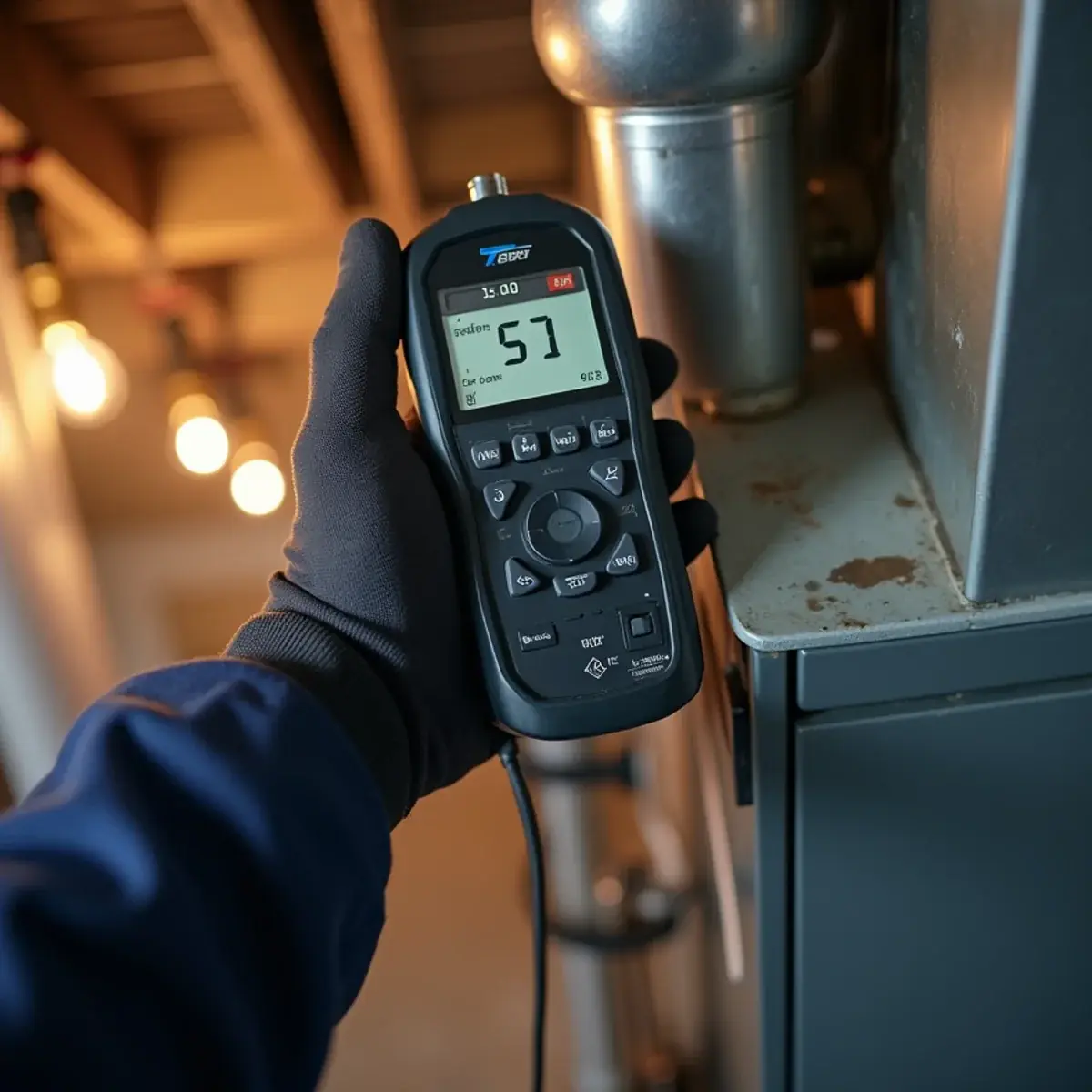
This is the part of the visit that makes it a safety inspection. With the furnace at steady fire, the technician inserts the probe of a calibrated combustion analyzer into the flue and reads carbon monoxide, oxygen and flue temperature. The numbers show whether the burners are getting the right mix of gas and air.
High CO in the flue usually points to dirty burners, low combustion air, incorrect gas pressure or a partly blocked vent. The technician also checks for CO in the supply air at the plenum or a nearby register, and at the draft hood on older units. A rise in the house air while the furnace runs is a serious finding and the reason the inspection exists.
Heat exchanger, burner and flame sensor inspection
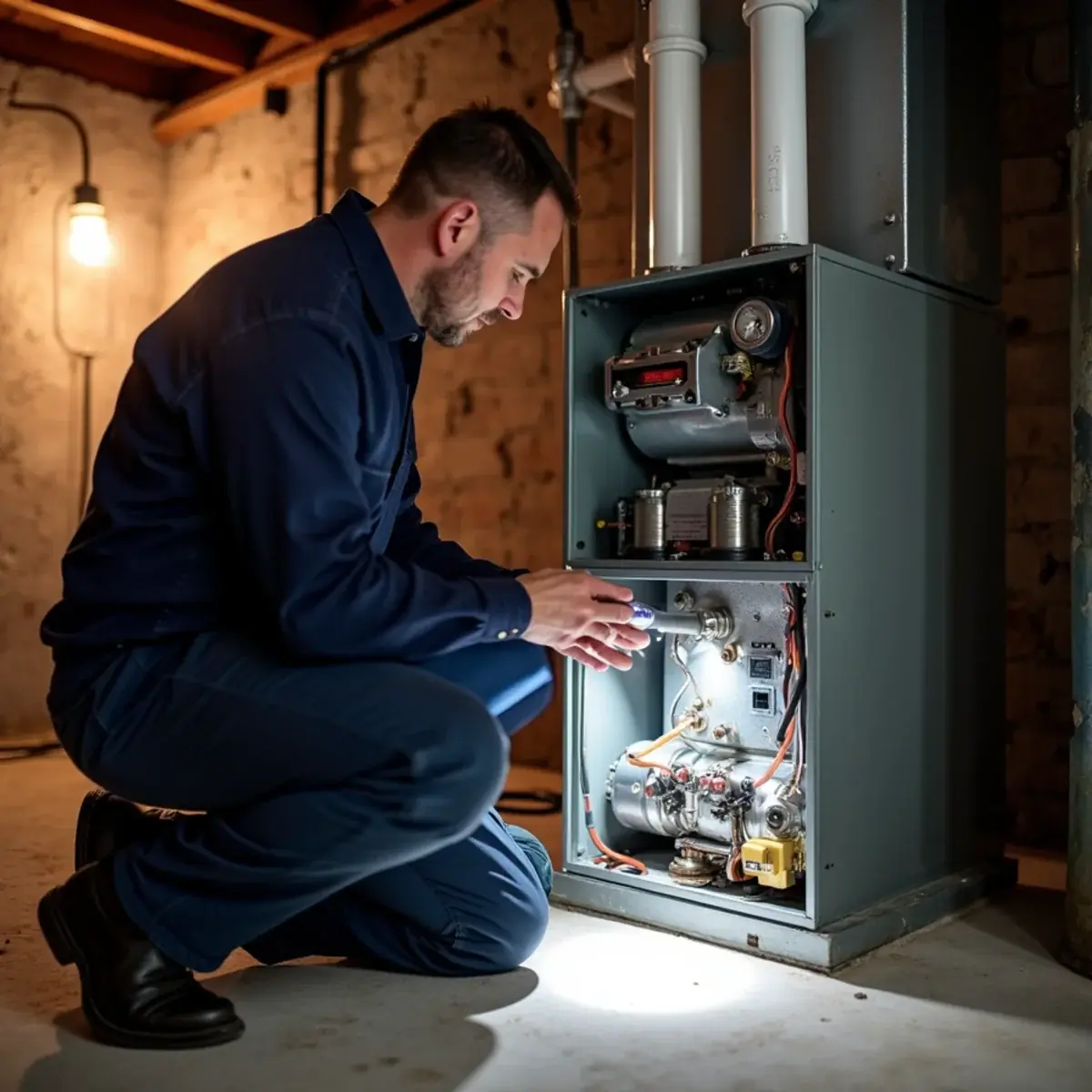
The burners come out or are cleaned in place to remove rust scale, dust and spider webs, which are common in damp Pittsburgh basements. The technician then watches the flame: steady, blue and inside the heat exchanger openings is what you want. Yellow tips, lifting flames or flames that bend when the blower starts need a closer look.
The heat exchanger is inspected with a light and, where access allows, an inspection camera. Most tune-ups find nothing wrong. When a crack or hole is found, the furnace may have to be shut down, and our page on red-tagged furnaces explains what happens next and how to get a second opinion.
The flame sensor is cleaned and its signal measured in microamps with a meter, then compared with the manufacturer's spec. A low reading means the furnace may light and shut off after a few seconds on a cold morning. The hot surface ignitor is checked for cracks and resistance, since a weak one often fails in the first week of real cold.
Filters, blower and airflow
Airflow problems shorten a furnace's life quietly. The filter is checked and replaced, and the technician confirms it is the right size and seated without gaps. The blower wheel is inspected for dirt buildup, the motor amperage is measured, and the run capacitor is tested against its rated microfarads.
Temperature rise ties it together: the difference between return air and supply air, compared with the range printed on the furnace's rating plate. A rise above the range means too little air, which overheats the heat exchanger. That is common in pre-war houses where ductwork was retrofitted later with undersized returns. If the blower or capacitor is failing, see furnace blower motor repair.
- Check the filter monthly in winter; change it when it looks gray.
- Keep supply registers and return grilles clear of furniture and rugs.
- Do not close more than a couple of registers in unused rooms.
Furnace maintenance you can do yourself, and what needs a technician
A tune-up doesn't replace the simple things you can do between visits, and those simple things don't replace a tune-up. Here's where the line sits.
Homeowner tasks
- Check the filter monthly during the heating season and change it when it looks gray
- Keep supply registers and return grilles open and clear
- Replace thermostat batteries each fall
- Test carbon monoxide alarms and replace any past the date on the back
- Keep boxes, laundry and paint cans away from the furnace and water heater
- On a high-efficiency furnace, keep the outside PVC pipes clear of snow and leaves
Technician tasks
- Combustion analysis and carbon monoxide testing
- Gas pressure measurement and leak checks at the furnace
- Heat exchanger and burner inspection
- Flame sensor microamp and ignitor resistance readings
- Safety control tests: high limit, rollout and pressure switches
- Draft test on chimney-vented furnaces
Which filter to buy
Use the size printed on the edge of the old filter, or the size listed in the furnace manual. A higher MERV rating catches finer dust but also restricts more air, and a very dense filter in a furnace with a small return can trip the high limit. Check what the furnace manufacturer allows before moving to a high-MERV filter, and ask the technician to measure static pressure if you do.
Vent and chimney check for older Pittsburgh homes
Venting is where Pittsburgh homes differ most from newer markets. Many 80% furnaces in the city and inner-ring suburbs still exhaust into brick chimneys that were built for coal or an older, hotter appliance.
Chimney-vented furnaces
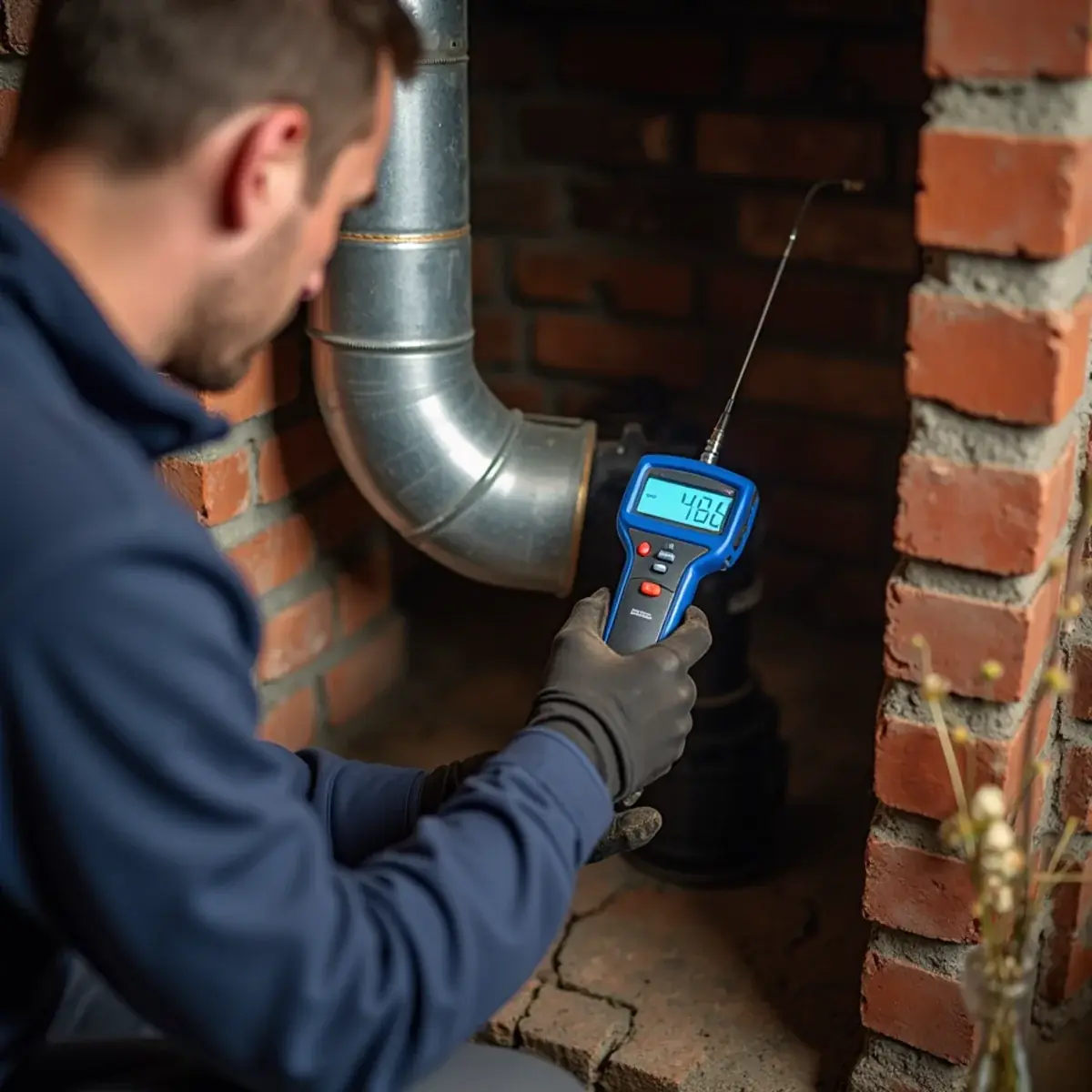
The technician checks draft with a gauge or smoke test, inspects the flue pipe for rust, slope and loose joints, and looks at the chimney base or clean-out for fallen brick and mortar. An unlined masonry chimney may need a liner, and a weak draft on a cold day can mean exhaust spilling back into the basement.
High-efficiency furnaces with PVC venting
On 90% and higher furnaces the technician checks the intake and exhaust terminations outside for nests, leaves and low clearance to the snow line, then clears the condensate trap, flushes the drain and confirms any condensate pump works. These are the furnaces that quit in a deep freeze when the drain line freezes.
When to book: before the first cold snap
The best window in Pittsburgh is September through early November. Scheduling is easier, and if the tune-up turns up a weak ignitor, a failing capacitor or a cracked heat exchanger, there is time to fix it before you depend on the furnace every night. EPA guidance supports having furnaces, flues and chimneys inspected every year, and many manufacturers recommend annual professional service.
Once the first hard freeze arrives, technicians switch to no-heat calls and maintenance gets pushed back. A furnace that has sat idle since April also tends to show its weak parts on the first cold morning, which is why so many no heat repair calls come in the same week each fall.
We book tune-ups across the city and our service areas, including Penn Hills, Ross Township and Bethel Park. Every HVAC technician we send is licensed where Pennsylvania requires it, and insured.
What a furnace tune-up costs, and what to ask before you book
We don't publish a tune-up price, because what's included varies and so do the furnaces. You hear the price before the visit is booked and confirmed. These are the questions that make two tune-up prices comparable:
- Is combustion and carbon monoxide testing included? It's the safety half of the visit, and some low-priced tune-ups skip it.
- Is a filter included, and which size and rating?
- Does it cover the condensate trap and drain on a 90% or higher furnace?
- What happens if a repair is found? A good answer is a separate price for the repair, given before any work starts.
- Will you get the readings in writing? Carbon monoxide, temperature rise, gas pressure and flame-sensor microamps make next year's visit faster and more useful.
Access matters too. A furnace in a tight closet or under the basement stairs takes longer, and an older furnace with a standing pilot or a sooty burner may need more cleaning. For what common repairs involve if the tune-up finds one, see our Pittsburgh furnace repair cost guide.
What a tune-up does not fix, and when it turns into a repair
A tune-up cleans, adjusts and tests. It does not include replacement parts, chimney liners or ductwork changes. When the technician finds a part that is failing or out of spec, you get an explanation and a firm price before any repair, and you decide whether to go ahead now or later. Ask for the readings in writing, including carbon monoxide, temperature rise, gas pressure and flame-sensor microamps. They become the baseline for next year's visit.
- Small repairs often done the same visit: flame sensor, ignitor, capacitor, condensate trap or drain line.
- Repairs that may need a second visit: inducer or blower motor, control board, gas valve.
- Findings that change the plan: a cracked heat exchanger or failed venting, which may lead to a shutdown or a furnace replacement.
For a sense of what common repairs involve, see our Pittsburgh furnace repair cost guide. If the furnace stops before your appointment, try the basic furnace checks first.
Why book your furnace tune-up with us
A safety inspection, not a filter swap
Every visit includes combustion and carbon monoxide testing, a heat exchanger inspection and a test of each safety control.
Built for Pittsburgh furnaces
Draft tests on chimney-vented 80% furnaces and condensate checks on 90% units, because those are the parts that fail here in a cold snap.
Repairs priced, never assumed
If the tune-up finds a weak ignitor or a failing capacitor, you get a price and decide whether to fix it now or later.
Readings you can keep
Ask for the measurements in writing; they become next year's baseline.
Licensed where Pennsylvania requires it, and insured
Every HVAC technician we send is licensed where Pennsylvania requires it, and insured. Book at (321) 478-0693, answered 24/7.
Furnace Tune-Up around Pittsburgh
We send furnace technicians across the city and the surrounding suburbs. See how furnace tune-up calls play out in these towns, or browse every furnace repair service area.
Also serving Mt. Lebanon, PA, Shaler Township, PA, McCandless, PA, Monroeville, PA.
Furnace Tune-Up questions from Pittsburgh homeowners
How often should a gas furnace be serviced?
Once a year is the standard recommendation for a gas furnace, and many manufacturers say the same in their installation manuals. A yearly visit includes the combustion and carbon monoxide test, which you cannot do yourself. Older furnaces, units in damp basements and furnaces venting into old brick chimneys benefit most, because rust, debris and draft problems build up from one season to the next.
What time of year is best for a furnace tune-up in Pittsburgh?
September through early November is the best time. The furnace has been idle all summer, technicians have more open appointments, and anything the inspection finds can be repaired before the first hard freeze. Once overnight lows drop into the 20s, technicians are mostly answering no-heat calls, so tune-ups booked then can wait longer.
Will a tune-up lower my gas bill?
It can help, but it will not change the furnace's efficiency rating. A clean filter, clean burners, correct gas pressure and proper airflow let the furnace run as designed instead of wasting fuel or cycling on its safety limits. An 80% furnace stays an 80% furnace. If the bill keeps climbing on an older unit, the tune-up results help you judge whether replacement makes sense.
Does a manufacturer warranty require yearly maintenance?
Some do. Many furnace manufacturers require or recommend professional annual maintenance, and a claim can be harder to support without records. Terms differ by brand and model, so read the warranty paperwork that came with your furnace or look it up with the model and serial number. Keep every tune-up receipt and the technician's readings in one folder.
How long does a furnace tune-up take?
Usually about an hour for a furnace that's easy to reach and in good shape. An older furnace with heavy burner buildup, a high-efficiency unit with a clogged condensate trap, or a furnace in a tight closet takes longer. If the technician finds a part that needs replacing, that's priced separately and can often be done on the same visit.
How much does a furnace tune-up cost?
You hear the price before the visit is confirmed. When you compare prices, ask whether combustion and carbon monoxide testing is included, whether a filter is part of it, and how repairs found during the visit are handled. A tune-up that skips the combustion test costs less because it leaves out the safety half of the job.
Page reviewed by the Pittsburgh Furnace Repair team.